
Fixed Rate vs Variable Rate Mortgage: Which is Right for You?
Choosing between a fixed rate and a variable rate mortgage can be a daunting decision for many homebuyers. Both options have their own advantages and disadvantages, and the right choice depends on your personal financial situation and future plans. Understanding the differences and implications of each can help you make a more informed decision.
Understanding Fixed Rate Mortgages
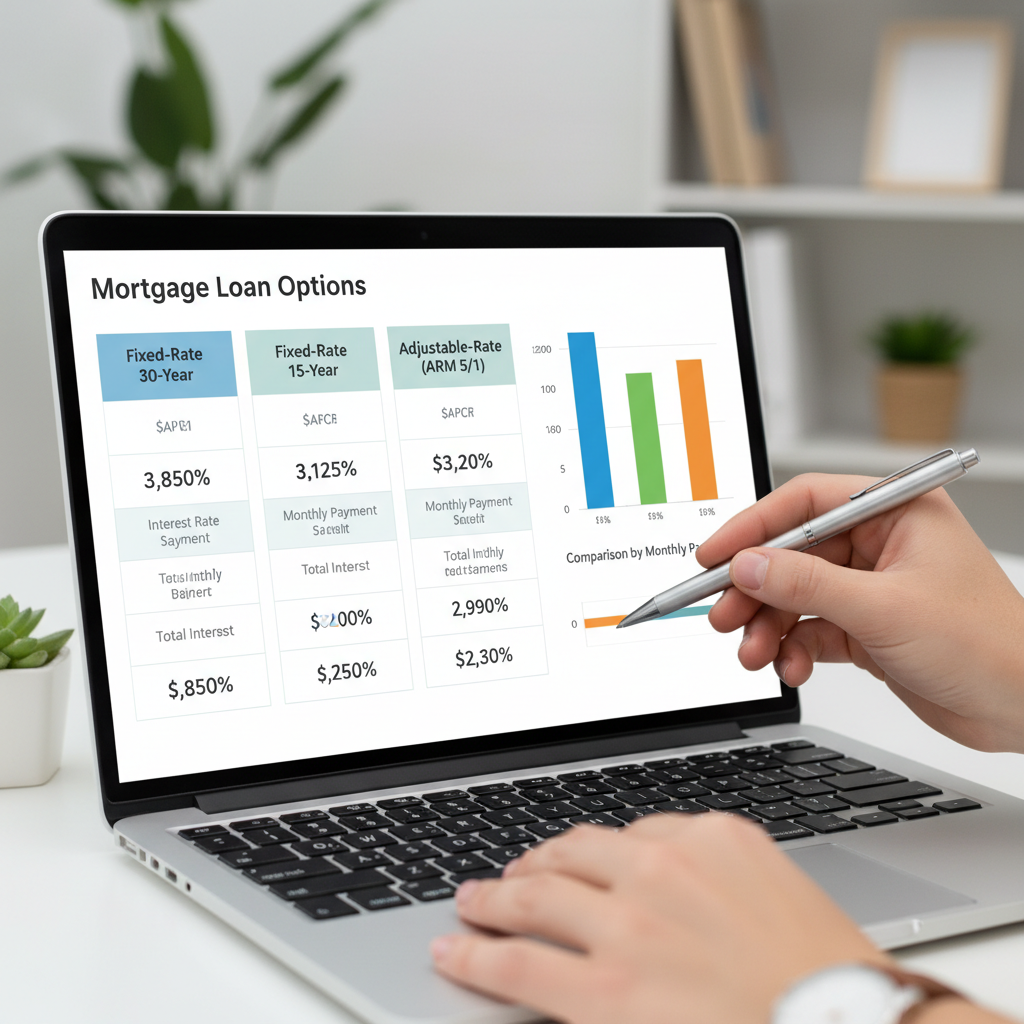
A fixed rate mortgage offers a stable interest rate that remains constant throughout the term of the loan. This means that your monthly mortgage payments will stay the same, providing predictability and stability in your budgeting.
Benefits of Fixed Rate Mortgages
Fixed rate mortgages are particularly appealing to those who plan to stay in their homes for an extended period. The consistency in payments allows for easy financial planning without the worry of fluctuating interest rates. This can be especially advantageous in times of rising interest rates.

Exploring Variable Rate Mortgages
Variable rate mortgages, also known as adjustable rate mortgages (ARMs), have interest rates that can change periodically. These adjustments are typically based on an index or benchmark, which means your monthly payments can vary over time.
Advantages of Variable Rate Mortgages
One of the primary benefits of a variable rate mortgage is the potential for lower initial interest rates compared to fixed rate mortgages. This can translate to lower initial monthly payments, making it an attractive option for those who anticipate a rise in income or plan to sell the property before rates increase significantly.
Factors to Consider When Choosing
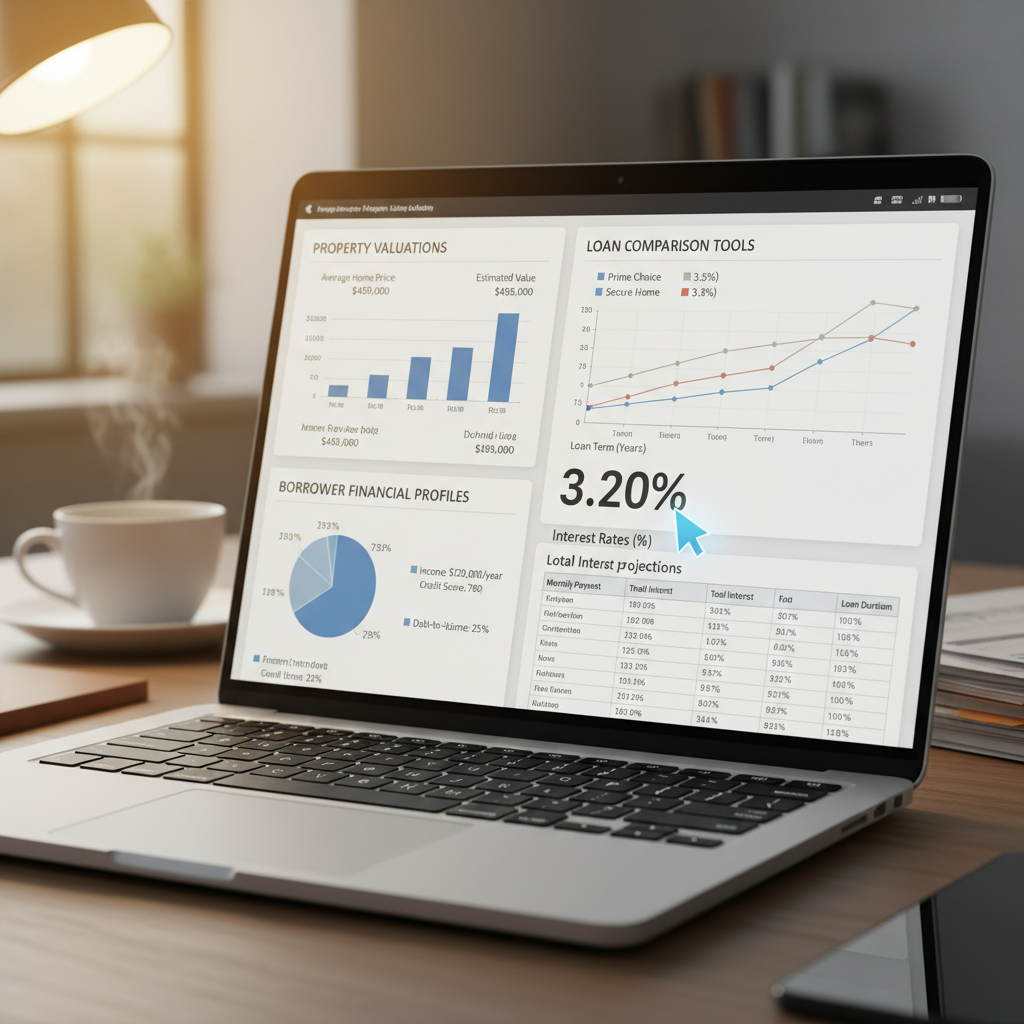
When deciding between a fixed and variable rate mortgage, there are several factors to consider:
- Current Interest Rates: Analyze the current market conditions. If rates are low, a fixed rate might lock in favorable terms.
- Personal Financial Situation: Consider your income stability and future financial plans.
- Loan Duration: How long do you plan to stay in the home? Shorter stays might benefit from variable rates.
Risk Tolerance
Your comfort with financial risk plays a crucial role in this decision. Fixed rate mortgages offer peace of mind with stable payments, whereas variable rates might suit those who are comfortable with potential payment fluctuations.
Conclusion: Which is Right for You?
Both fixed and variable rate mortgages have their place in the home buying process. A fixed rate mortgage provides stability and predictability, ideal for those who prefer a straightforward financial plan. On the other hand, a variable rate mortgage might offer lower initial costs, appealing to those with flexibility in their financial strategy.
Ultimately, the choice between a fixed or variable rate mortgage depends on your individual circumstances, including your financial goals, risk tolerance, and the current economic environment. Consulting with a financial advisor can also provide personalized insights to help you make the best decision for your situation.